
Light bulb recycling begins by identifying what types of lamps you have, how many need to be recycled, their condition, and the best way to collect them. Fluorescent tubes, CFLs, LEDs, HID lamps, and other lighting products are built differently and may require different packaging, handling, and processing.
Your Recycling Options
Scheduled Light Bulb Pickup
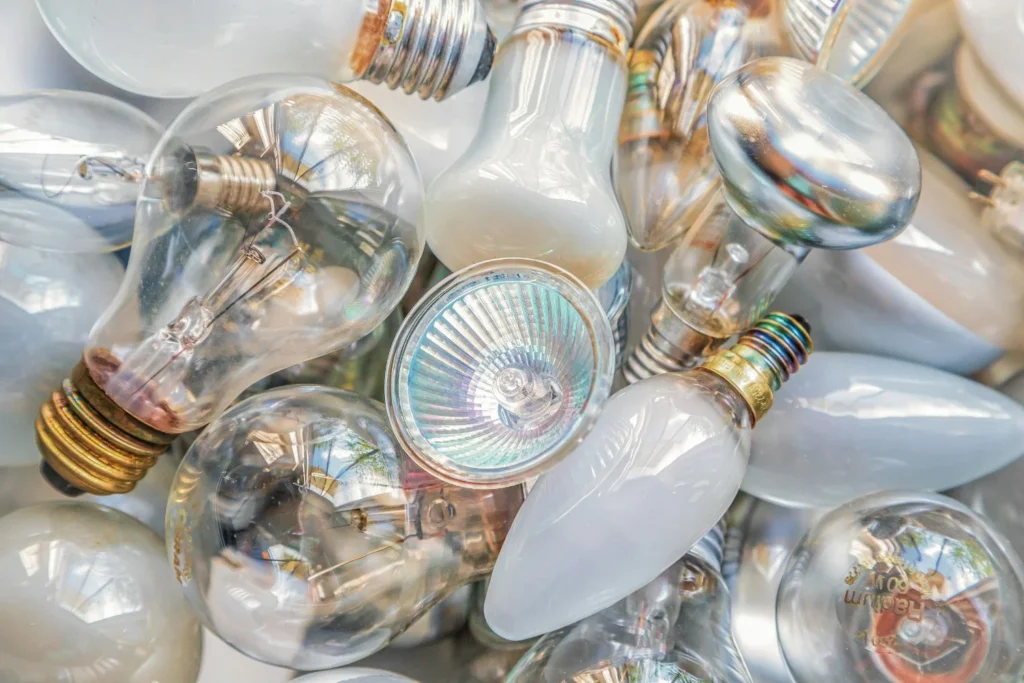
Scheduled pickup is typically the best option for commercial quantities, facility wide lighting upgrades, maintenance programs, and larger retrofit projects. R2 recycling can coordinate collection based on lamp type, quantity, packaging, site access, and project timing.
Light Bulb Drop Off
Drop off may be appropriate for smaller quantities when the lamps can be packaged and transported properly. Confirm lamp types and quantities with R2 recycling before bringing materials to a drop off location.
E Waste Containers
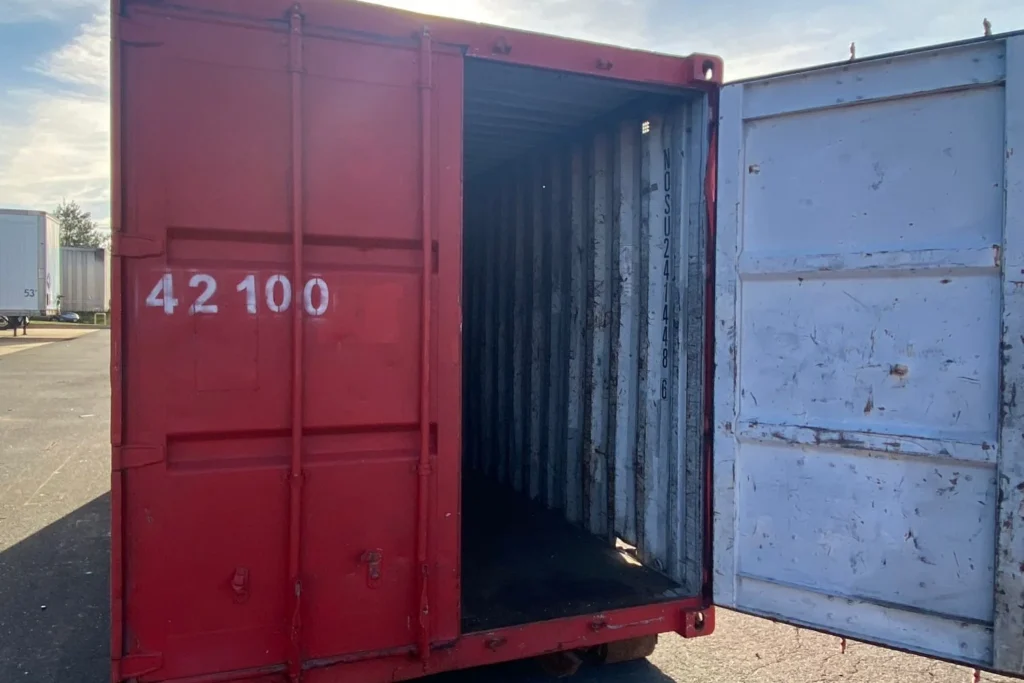
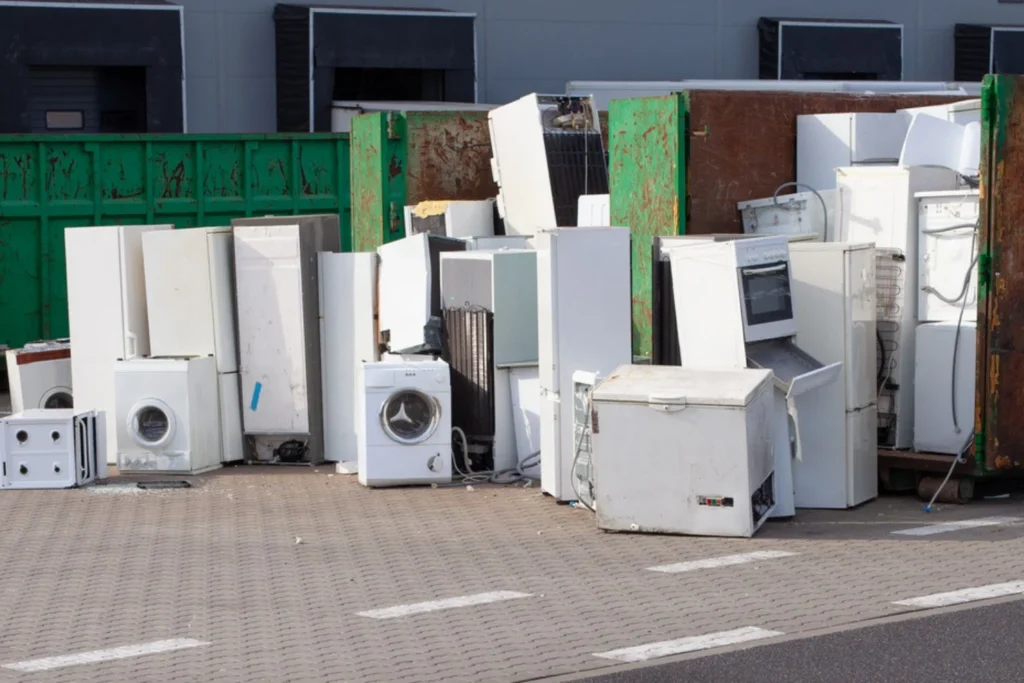
E-waste containers can support larger electronics recycling projects where lighting equipment is being removed alongside other electronic equipment. Lamps may need to be packaged or separated from other materials depending on the type and condition.
Collection Events
Municipalities, schools, institutions, and other organizations may also incorporate approved lamps into broader electronics or recycling collection events.
What Types of Light Bulbs Can R2 Recycle?
Lighting systems use several different lamp technologies, each with its own construction and materials. R2 recycling can help organizations manage a range of common commercial and institutional lighting products.
Fluorescent Tubes
Linear fluorescent tubes are common in offices, schools, warehouses, commercial buildings, healthcare facilities, and industrial properties.
Facilities may accumulate large quantities of fluorescent tubes during routine maintenance or when older lighting systems are replaced with newer technology. These lamps should be kept intact and appropriately packaged before collection whenever possible.
Compact Fluorescent Lamps
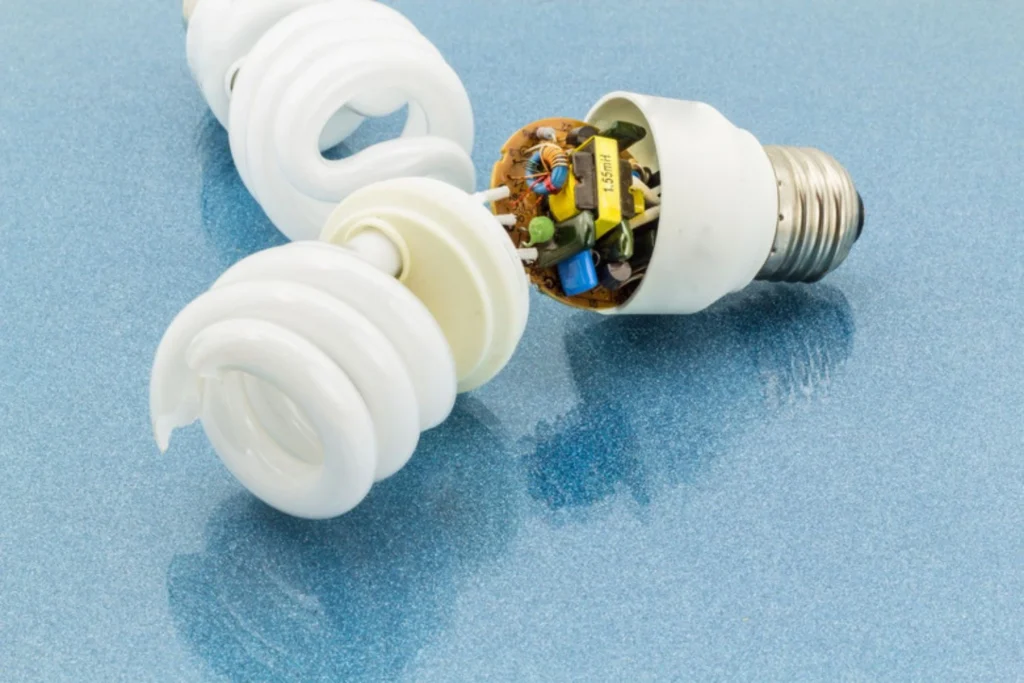
Compact fluorescent lamps, commonly called CFLs, use fluorescent technology in a smaller format designed to fit many traditional light fixtures.
CFLs contain glass, electronic components, phosphor material, and a small amount of mercury, so they should be kept separate from ordinary trash and protected from breakage during storage and transportation.
LED Bulbs and Fixtures
LED lighting has become common across commercial, residential, industrial, and institutional properties.
Unlike traditional fluorescent lamps, LED bulbs and fixtures can contain circuit boards, drivers, semiconductor components, wiring, metals, plastics, and heat sinks. These electronic components give LED lighting a different recycling profile from fluorescent lamps.
HID Lamps
High intensity discharge lamps are commonly used where powerful lighting is needed.
Types can include:
- Metal halide lamps
- High pressure sodium lamps
- Mercury vapor lamps
These lamps are often found in warehouses, gymnasiums, parking areas, exterior lighting systems, industrial facilities, and other large spaces.
Specialty Lamps
Lighting projects may also involve less common lamp formats, including:
- U shaped fluorescent lamps
- Circular fluorescent lamps
- Specialty fluorescent lamps
- Certain projector lamps
- Equipment specific lighting
Uncommon or specialty lamps should be identified before collection so R2 recycling can determine the appropriate recycling option.
Lighting Ballasts
Lighting retrofits often involve more than replacing the bulbs themselves. Fluorescent and HID systems may also contain ballasts that regulate electrical current to the lamp. When fixtures are upgraded or removed, these ballasts may need to be collected and recycled alongside the lighting equipment.
If your project includes old ballasts, R2 recycling can also help coordinate ballast recycling services as part of the same lighting replacement or facility cleanup project.
What Are Light Bulbs Made Of?
A light bulb may look simple from the outside, but different lighting technologies can contain glass, metals, electronic components, coatings, plastics, and other materials.
The exact construction depends on whether the lamp is fluorescent, LED, HID, incandescent, or another specialty format.
Glass
Glass forms the outer tube or bulb in many lighting products.
In fluorescent lamps, the glass tube contains the internal gas and phosphor coating needed to produce light. Other lamp designs use glass to protect filaments, electrodes, or other internal components.
Metals
Light bulbs and fixtures can contain several types of metal components.
Depending on the lamp, these may be found in:
- Bases
- Filaments
- Wiring
- Contacts
- Internal supports
- Electrical connections
- Heat sinks
- Electronic components
The amount and type of metal vary significantly between lighting technologies.
Mercury
Fluorescent lamps, CFLs, and certain HID lamps can contain small amounts of mercury.
Mercury is used as part of the process that produces light inside these lamp types, which is one reason intact lamps should be handled carefully and routed through an appropriate recycling process rather than casually discarded.
Phosphor Coatings
Fluorescent lamps and CFLs use a phosphor coating along the inside of the glass.
When ultraviolet energy is produced inside the lamp, the phosphor coating converts that energy into visible light. During specialized lamp processing, this material is separated from the glass and other components.
Electronic Components
LED bulbs and fixtures can contain considerably more electronic hardware than traditional lamps.
Components may include:
- Circuit boards
- LED drivers
- Wiring
- Semiconductor components
- Heat sinks
- Electrical contacts
These components are one reason LED recycling often resembles electronics recycling more closely than traditional fluorescent lamp processing.
Plastics and Housings
Modern light bulbs and fixtures may also contain plastic housings, diffusers, insulation, sockets, and other structural components.
These materials help protect internal electronics and shape or diffuse the light produced by the lamp.
How Light Bulb Recycling Works
The recycling process begins by determining exactly what types of lighting products are involved and how they are currently stored.
Step 1: Identify the Lamp Type
Determine whether the project includes fluorescent tubes, CFLs, LEDs, HID lamps, ballasts, specialty lamps, or a mixture of several lighting technologies.
Knowing the lamp type helps determine the appropriate collection and processing approach.
Step 2: Determine the Collection Method
R2 recycling helps determine whether scheduled pickup, drop off, container service, or another coordinated collection option makes sense based on the quantity and project.
Commercial retrofit projects and larger quantities will often be better suited to scheduled collection.
Step 3: Separate by Type and Condition
Different lamp types may need to be kept separate during storage and transportation.
Broken, cracked, or otherwise damaged lamps should also be identified rather than mixed into containers with intact lighting.
Step 4: Collection and Transportation
R2 recycling coordinates collection based on the agreed service plan.
For larger projects, transportation planning may consider lamp quantities, boxes or pallets, loading access, project schedules, and other site conditions.
Step 5: Sorting and Processing
After collection, lighting products are sorted according to lamp type and construction.
Glass, metals, mercury containing materials, electronic components, and other fractions can then move through recycling processes appropriate for the specific lighting technology.
Step 6: Documentation
Relevant service and recycling records can support internal recordkeeping, facility maintenance documentation, project closeout, and vendor tracking.