
Batteries power nearly every part of modern life and business operations. They are found in computers, UPS systems, power tools, vehicles, backup power equipment, medical devices, consumer electronics, energy storage systems, and countless other products.
As those batteries are replaced, upgraded, damaged, or retired, organizations need a practical way to keep them out of ordinary waste streams and move them through the appropriate recycling process. Battery chemistry, size, quantity, and condition can all affect how a recycling project should be handled.
R2 recycling helps businesses, schools, municipalities, retailers, institutions, facilities, and other organizations coordinate battery recycling through scheduled pickups, drop off options, e waste container programs where appropriate, and organized collection events.
According to a 2018 U.S. EPA hosted industry presentation, approximately 3 billion consumer batteries were sold annually in the United States at the time, with roughly 80% being single use batteries.
Battery Recycling at a Glance
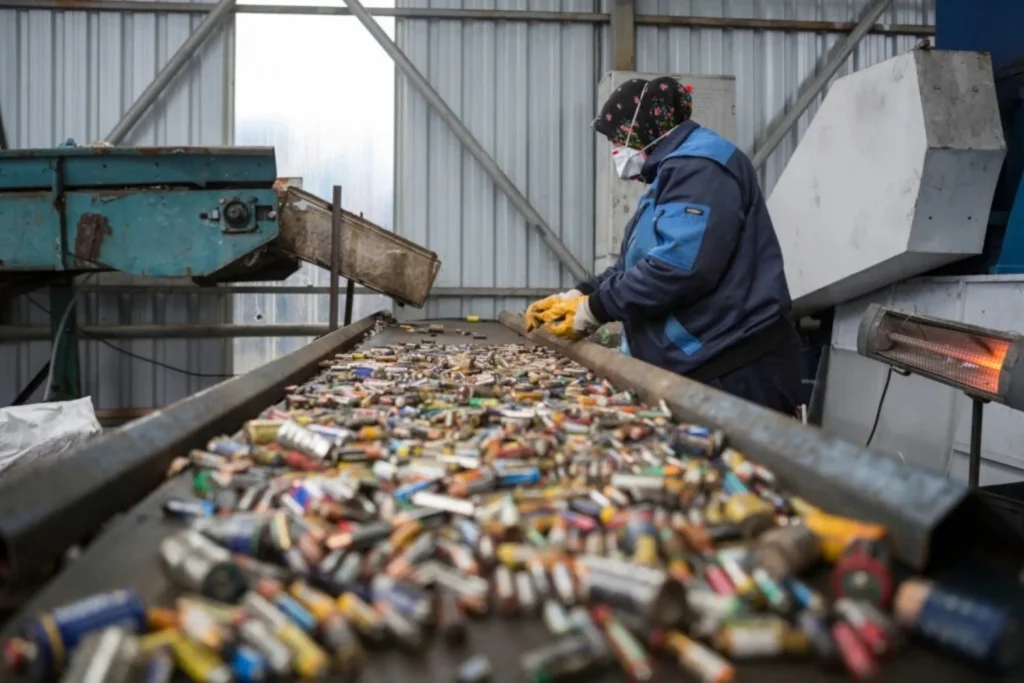
Battery recycling starts with identifying exactly what you have. Different battery chemistries can require different collection, transportation, and processing methods, so lithium ion, lead acid, alkaline, nickel cadmium, and other batteries should not automatically be treated as one uniform waste stream.
R2 recycling can help determine the appropriate recycling option based on battery type, quantity, condition, location, and project requirements.
Scheduled Battery Pickup
Scheduled pickup is typically the most practical option for commercial quantities, battery replacement projects, facilities with recurring battery waste, and organizations managing batteries across one or multiple locations.
R2 recycling can coordinate collection based on the battery types involved, approximate quantity, condition, site access, and desired timeline.
Battery Drop Off
Drop off may be an option for smaller quantities when the batteries can be transported appropriately to an approved location.
Battery chemistry, quantity, and condition should be confirmed before transportation, especially when dealing with damaged or unusual battery formats.
E Waste Containers
E-waste containers can support broader electronics recycling programs where batteries are generated alongside computers, equipment, and other electronics.
Depending on the battery chemistry and condition, batteries may need to be collected separately rather than placed directly into the same container as other electronics.
Collection Events
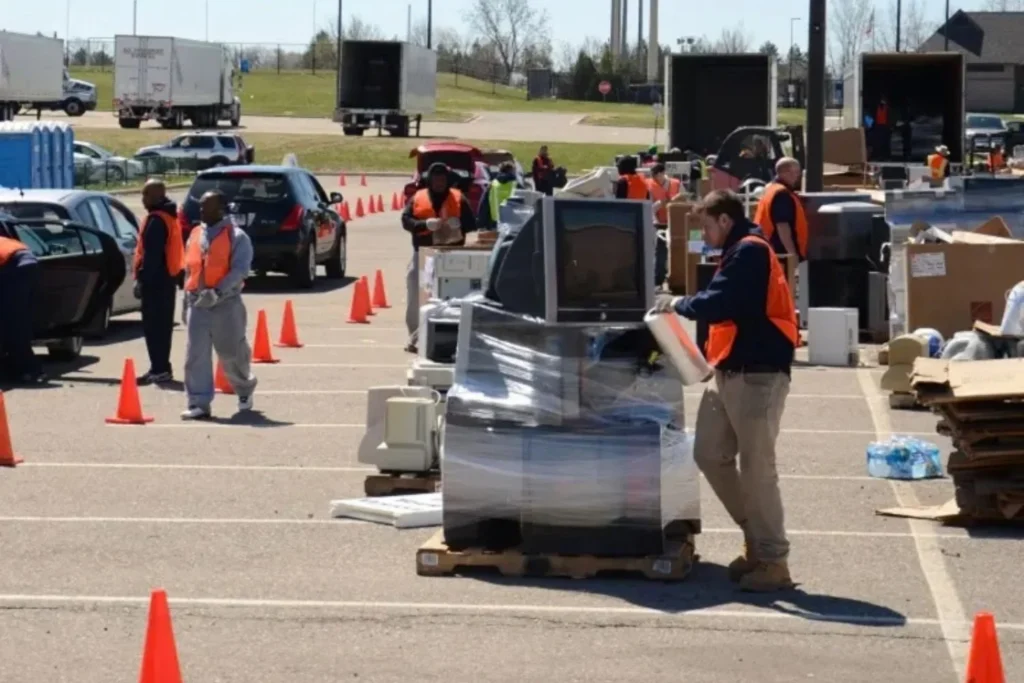
Battery recycling can also be incorporated into certain municipal, institutional, school, or organizational e-waste collection events.
These programs can provide a centralized collection opportunity for approved batteries and other electronics during a scheduled recycling event.
Battery Waste is Growing
Battery use continues to expand across consumer electronics, electric vehicles, energy storage systems, commercial equipment, backup power applications, and other technologies. As more of these batteries eventually reach the end of their usable life, the amount of material entering recycling streams is expected to increase substantially.
According to Statista, approximately 1.4 million tons of battery materials are forecast to become available for recycling globally by 2030.
For businesses and organizations, that growth makes having a clear battery management process increasingly important. Identifying battery chemistry, separating different types, recognizing damaged units, and planning collection before batteries accumulate can make recycling projects much easier to manage.
What Types of Batteries Can R2 Recycle?
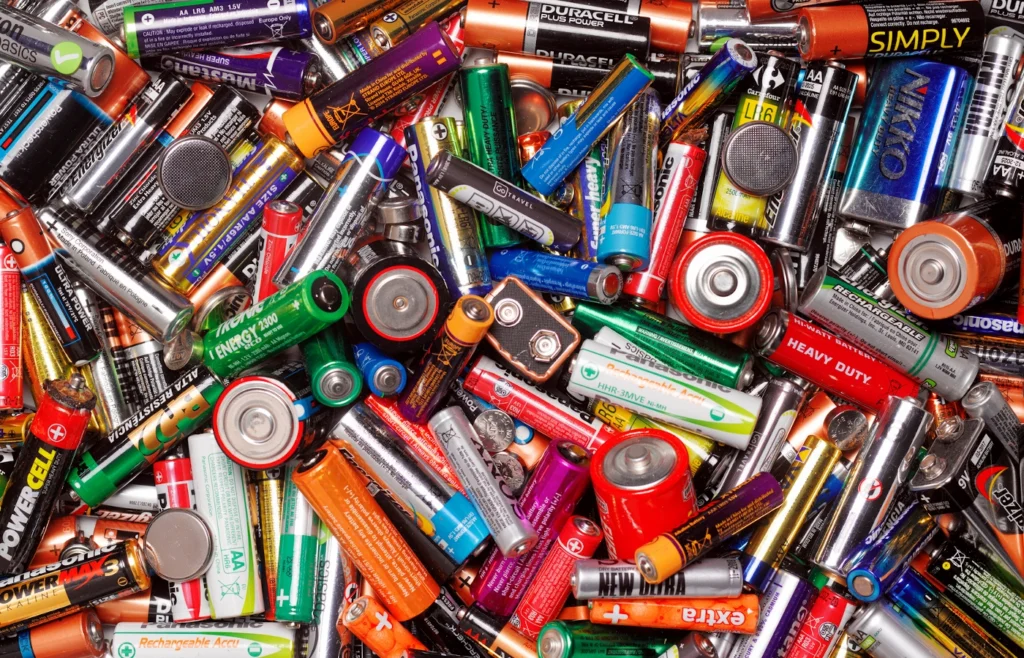
Battery recycling is not a single process because batteries are manufactured using different chemistries, formats, and materials.
R2 recycling can help organizations manage a wide range of battery types, from common consumer batteries to larger commercial and industrial systems.
Lithium Ion Batteries
Lithium ion batteries are used throughout modern electronics and energy systems because they can store large amounts of energy in relatively compact formats.
Common applications include:
- Laptops
- Cell phones
- Tablets
- Power tools
- E bikes
- Portable electronics
- Energy storage systems
- Electric vehicles
Condition is particularly important when managing lithium ion batteries. Swollen, punctured, burned, overheated, or otherwise damaged batteries should be identified before collection so they can be evaluated separately from intact units.
Lead Acid Batteries
Lead acid batteries are commonly used in applications that require dependable starting power or backup energy.
They can be found in:
- UPS systems
- Backup power systems
- Vehicles
- Industrial equipment
- Emergency power systems
- Telecommunications equipment
Because of their weight and construction, larger quantities of lead acid batteries may require additional planning for staging, loading, and transportation.
Nickel Cadmium Batteries
Nickel cadmium batteries are rechargeable batteries that can still be found in older equipment and specialized commercial applications.
Common uses can include emergency lighting, backup systems, industrial equipment, power tools, and certain communications or facility systems.
Nickel Metal Hydride Batteries
Nickel metal hydride batteries are another rechargeable chemistry used in a variety of equipment.
They may be found in hybrid vehicles, rechargeable consumer electronics, tools, medical equipment, and other portable or backup power applications.
Alkaline Batteries
Alkaline batteries are among the most familiar single use battery types.
They are commonly used in:
- Remote controls
- Flashlights
- Office electronics
- Toys
- Clocks
- Portable devices
- Consumer equipment
Organizations such as schools, offices, municipalities, retailers, and institutional facilities can accumulate significant quantities of these batteries over time.
UPS and Backup Power Batteries
UPS systems help keep computers, servers, telecommunications equipment, medical equipment, and other critical systems operating when primary power is interrupted.
When UPS batteries are replaced, businesses may be left with multiple cartridges, individual batteries, or larger battery strings that need to be removed from the site.
R2 recycling can help coordinate recycling for UPS and backup power batteries based on the system type, battery chemistry, quantity, and location.
EV and Large Format Batteries
Electric vehicle batteries, energy storage systems, and other large format batteries require more project specific planning than smaller consumer batteries.
Battery size, chemistry, condition, location, accessibility, and transportation requirements should all be discussed before collection is arranged.
What Are Batteries Made Of?
A battery may look like a simple sealed unit from the outside, but internally it contains multiple components working together to store and release electrical energy.
The exact materials vary considerably by battery chemistry.
Metals
Different batteries can contain different combinations of metals and metal compounds.
Depending on the chemistry, these may include:
- Lithium
- Nickel
- Cobalt
- Lead
- Zinc
- Manganese
- Copper
- Aluminum
The mix of materials inside a battery is one reason identifying chemistry is so important during recycling.
Electrolyte
The electrolyte is the material that allows ions to move between the battery’s electrodes while the battery charges or discharges.
Its composition depends on the battery chemistry. Lithium ion batteries, lead acid batteries, alkaline batteries, and other chemistries use different electrolyte systems and therefore require different processing methods.
Anode and Cathode
The anode and cathode are the battery’s two primary electrodes.
Their materials vary depending on the battery type. During operation, ions move between these electrodes through the electrolyte, creating the electrochemical reaction that allows the battery to store and release energy.
Separator
A separator sits between the battery’s electrodes.
Its purpose is to help keep the electrodes physically apart while still allowing ions to move through the battery. This helps the battery function while reducing direct contact between internal components.
Battery Casing
The outer casing protects the battery’s internal materials and gives the battery its physical structure.
Depending on the battery format, casings may be made from steel, aluminum, plastics, or combinations of materials designed for the intended application.
Terminals and Internal Connections
Battery terminals and internal connections carry electrical current between the battery cells and the equipment being powered.
These components can contain conductive materials such as copper, aluminum, steel, and other metals depending on the battery design.
How Battery Recycling Works
The recycling process begins before batteries ever leave the site. Understanding the battery chemistry, condition, quantity, and project logistics helps determine how they should be collected and routed.
Step 1: Identify the Battery Type
R2 recycling begins by determining what types of batteries are involved.
Battery chemistry, size, application, quantity, and condition all help determine the appropriate recycling approach.
If the chemistry is unknown, equipment model information, battery labels, manufacturer information, or photographs may help identify what is being managed.
Step 2: Determine the Collection Method
Once the battery types and quantities are understood, R2 recycling can help determine the appropriate collection option.
Depending on the project, this may include scheduled pickup, drop off, a broader electronics recycling program, or another coordinated arrangement.
Step 3: Sort Batteries by Type and Condition
Different battery chemistries may need to remain separated during collection and transportation.
Condition matters as well. Damaged, swollen, leaking, burned, or otherwise compromised batteries should be identified rather than mixed into a larger group of intact batteries.
Step 4: Collection and Transportation
R2 recycling coordinates collection based on the agreed service plan.
For larger battery projects, transportation planning may include pallet quantities, equipment weight, loading dock access, forklift availability, battery room access, or other site conditions.
Step 5: Processing
After collection, batteries are routed to recycling processes appropriate for their chemistry.
Processing methods can separate various battery components and material fractions so they can move through the appropriate downstream recycling channels.
Step 6: Documentation
Commercial battery recycling projects may also include relevant service and recycling records.
These records can support internal tracking, project closeout, vendor management, and organizational recycling documentation.