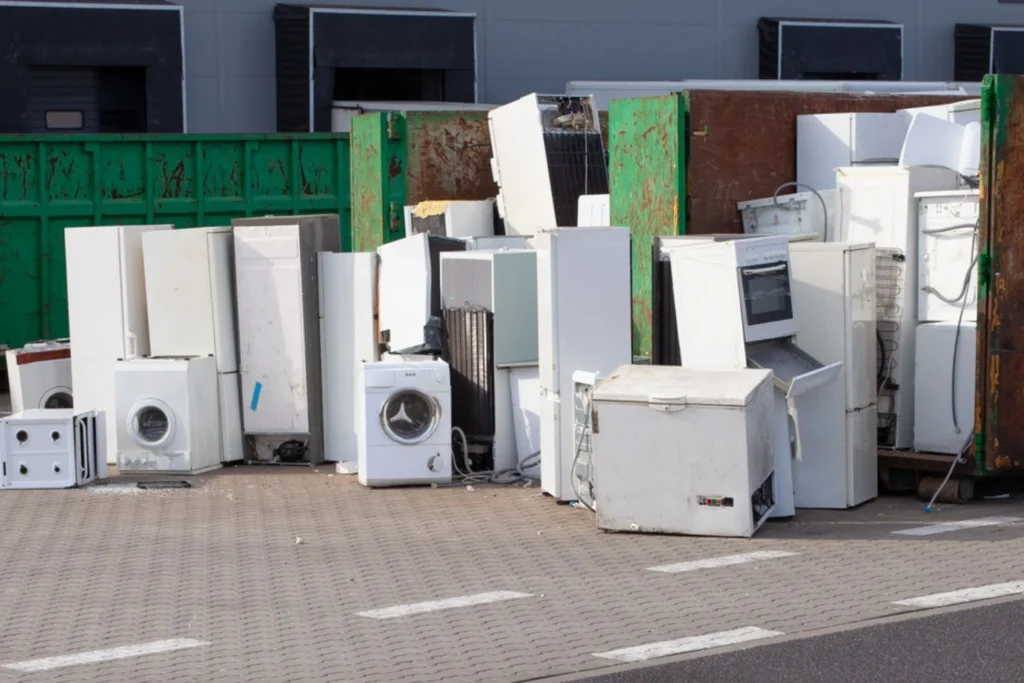

Electronics recycling is the process of collecting, sorting, dismantling, processing, and recovering materials from outdated or unwanted electronic equipment. Computers, televisions, servers, phones, office equipment, batteries, appliances, and other electronics can contain a combination of metals, plastics, circuit boards, wiring, batteries, and data storage components that require different recycling pathways.
R2 recycling brings more than 25 years of electronics recycling experience and has recycled more than 300 million pounds of electronics. Our team can handle everything from a one time equipment cleanout to recurring electronics volumes and larger recycling programs.
Depending on what you have and how much needs to move, electronics can be managed through scheduled pickups, drop offs, e waste containers, or electronics recycling events. Data destruction and recycling documentation can also be incorporated when the project requires them.
Electronics Recycling at a Glance
R2 recycling helps move unwanted electronics from your location into the appropriate recycling process. Equipment can be picked up, delivered to a drop off location, accumulated in an onsite e waste container, or collected through an organized recycling event.
Our electronics recycling services include:
- Multiple collection options
- Electronics sorting and processing
- Data destruction services
- Certificates of Recycling
- One time and recurring recycling programs
Electronics Recycling Options
Different projects call for different collection methods. R2 recycling offers several ways to move electronics into the recycling process based on quantity, location, timing, and how frequently your organization generates equipment.
Scheduled Electronics Pickup
Scheduled pickup is a practical option when electronics have already accumulated and are ready to leave the site.
Common projects include:
- Office cleanouts
- IT refreshes
- Equipment replacements
- Facility closures
- Data center projects
- Recurring electronics volumes
R2 recycling coordinates collection based on the equipment involved, quantity, location, loading requirements, and desired project schedule.
Electronics Drop Off
Drop off can work well for smaller or manageable quantities that can be transported directly to an appropriate R2 recycling location.
Before arriving, confirm the equipment types and approximate quantity so the material can be evaluated and the correct drop off location can be identified.
E Waste Containers
E-waste containers provide an ongoing collection option for locations that generate electronics gradually rather than all at once.
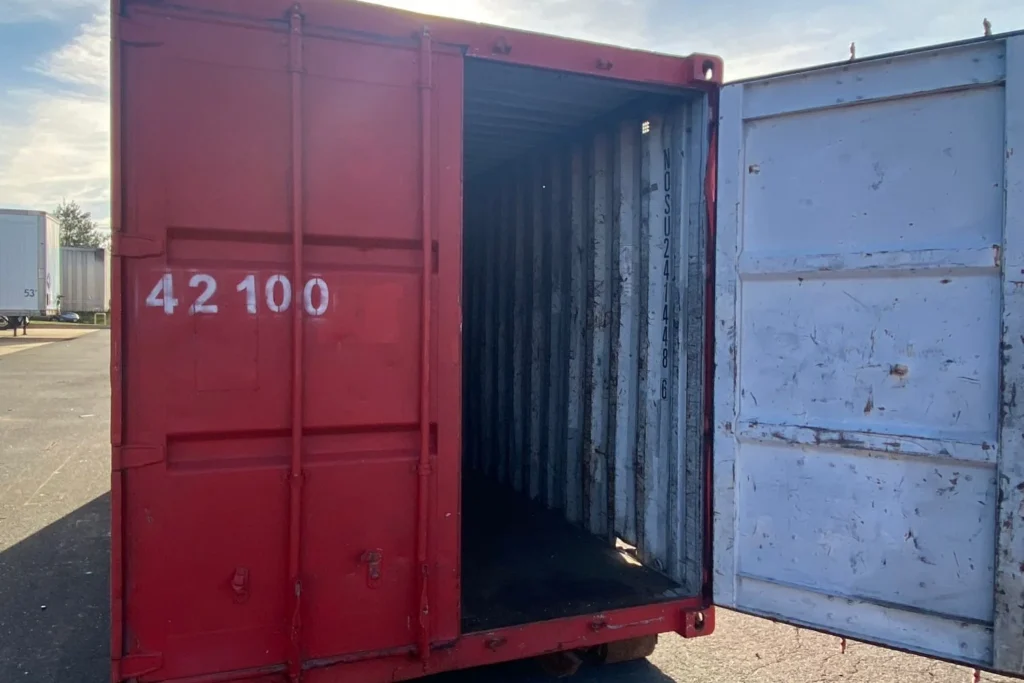
R2 recycling offers open and enclosed container options in several sizes, allowing electronics to accumulate onsite until the container is ready for removal or replacement.
Electronics Recycling Events
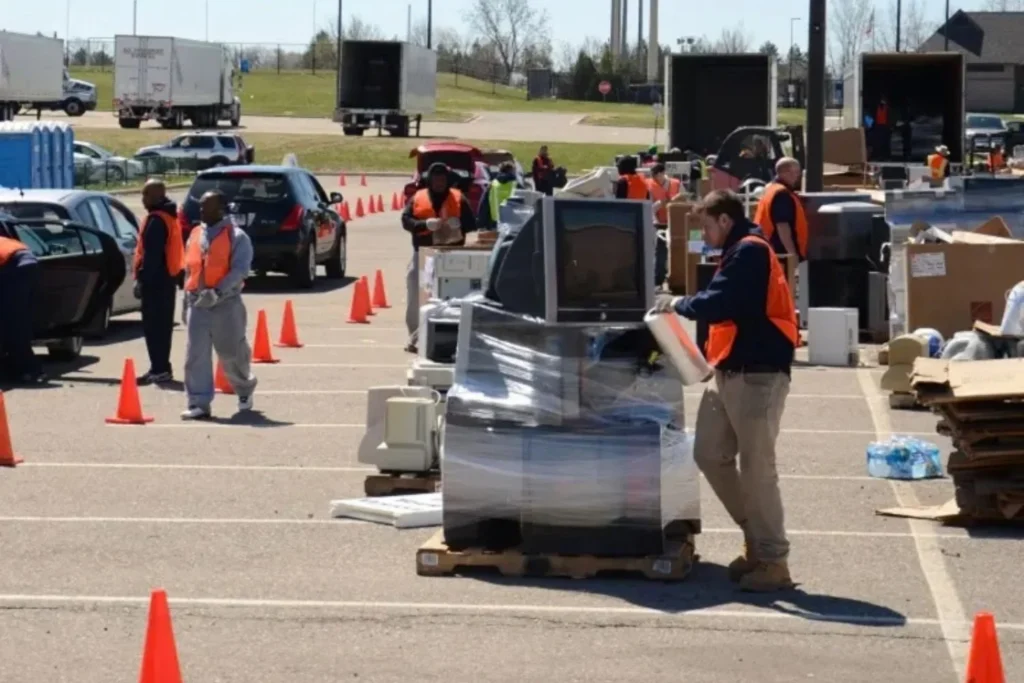
Electronics recycling events provide a scheduled collection opportunity for communities, schools, institutions, and other organizations.
R2 recycling can help coordinate the event setup, collection equipment, staffing, electronics sorting, transportation, and recycling documentation.
What Electronics Can R2 Recycle?
R2 recycling accepts a broad range of electronics, electrical equipment, batteries, appliances, and related components. The exact item list is extensive, but some of the most common categories include the following.
Computers and IT Equipment
- Desktop computers
- Laptops
- Servers
- Hard drives
- Computer monitors
- Circuit boards
- Networking equipment
- Keyboards and peripherals
Phones and Personal Electronics
- Cell phones
- Smartphones
- Tablets
- Smartwatches
- Headphones
- Cameras
- GPS devices
- Portable electronics
Office and Commercial Electronics
- Printers
- Copiers
- Scanners
- POS systems
- Cash registers
- ATMs
- Smartboards
- Telecommunications equipment
TVs, Displays and Entertainment Electronics
- Televisions
- CRT displays
- LCD and LED monitors
- Speakers
- Stereo equipment
- DVD and Blu ray players
- Video game consoles
- Audio and video equipment
Batteries and Backup Power
- Lithium ion batteries
- Lead acid batteries
- Alkaline batteries
- Rechargeable batteries
- UPS batteries
- Battery backup systems
- Power tool batteries
R2 recycling also provides dedicated battery recycling services for projects involving larger quantities or specialized battery types.
Lighting and Electrical Equipment
- LED lighting
- Fluorescent lamps
- Light fixtures
- Ballasts
- Transformers
- Power supplies
- Electrical wiring
Dedicated light bulb recycling and ballast recycling services are also available for lighting replacement and retrofit projects.
Solar and Renewable Energy Equipment
- Solar panels
- Solar inverters
- Solar wiring
- Solar batteries
- Photovoltaic system components
R2 recycling can coordinate solar panel recycling for individual commercial systems through larger photovoltaic projects.
Medical, Industrial and Specialty Electronics
- Medical electronics
- Laboratory equipment
- Industrial controls
- Electric motors
- Test equipment
- Security electronics
- Building controls
- Specialized electronic equipment
What is Inside Electronic Equipment?
Electronic equipment is rarely made from one material. Even a single computer, printer, television, or server can contain several material types that need to be separated during recycling.
Circuit Boards
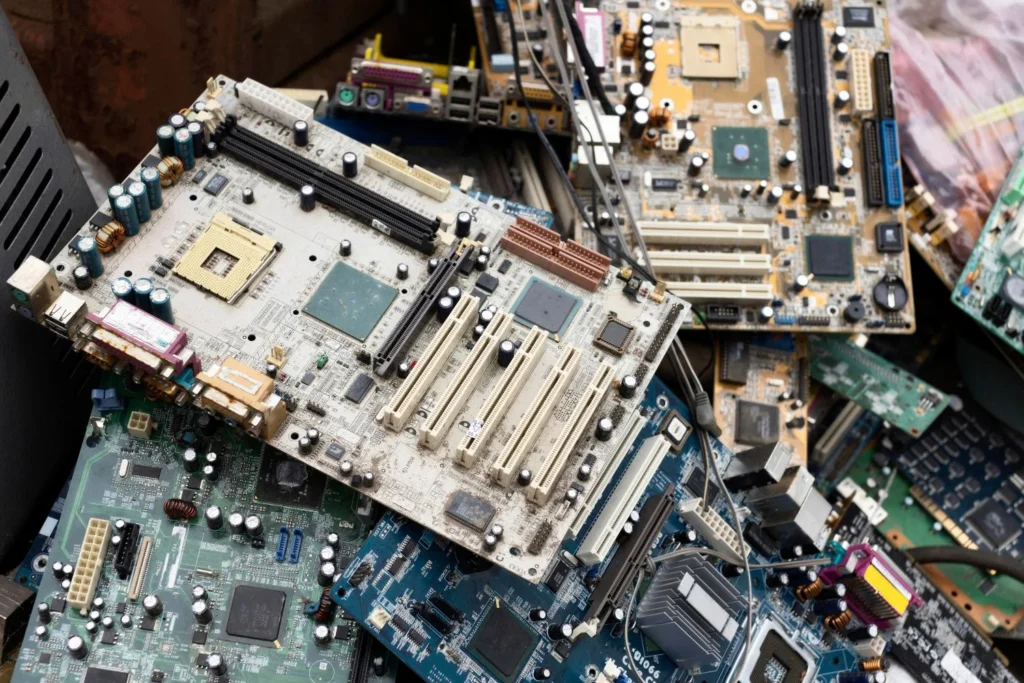
Printed circuit boards contain electronic components, conductive pathways, connectors, and other materials that can be separated from equipment housings and larger components during processing.
Metals
Electronic equipment can contain several types of metal depending on the product and its construction, including:
- Steel
- Aluminum
- Copper
- Brass
- Nickel
- Zinc
These materials may be present in frames, housings, heat sinks, wiring, internal structures, and electrical components.
Plastics
Computers, televisions, printers, appliances, and other electronics commonly use plastics for outer housings, internal supports, insulation, buttons, connectors, and other components.
Different plastic types may need to be separated from metals and electronics during processing.
Wiring and Cables
Power cords, internal wiring, networking cables, connectors, and other electrical components can contain copper and other conductive materials.
These components are separated from larger equipment so they can move through the appropriate recycling stream.
Batteries
Many electronic devices contain removable or internal batteries.
The battery chemistry, size, and condition can determine how those batteries need to be handled once they are separated from the equipment.
Data Storage Devices
Computers, servers, phones, tablets, and other electronics may contain hard drives, solid state drives, flash storage, memory devices, or other components capable of retaining information.
These devices may require data destruction before or during the recycling process when sensitive information is involved.
How Electronics Recycling Works
The electronics recycling process begins with understanding what equipment you have and determining the best way to collect it.
Step 1: Identify What You Have
Provide the major equipment types, approximate quantities, condition, location, and any data bearing devices that require additional attention.
For larger cleanouts, exact counts are not always necessary to begin planning the project.
Step 2: Choose a Recycling Option
R2 recycling helps determine whether scheduled pickup, drop off, e waste container service, or an electronics recycling event is the best fit.
The collection method depends on the quantity, project type, site logistics, and whether electronics will be generated once or over time.
Step 3: Prepare the Electronics
Equipment is organized and staged based on size, condition, quantity, and transportation requirements.
Damaged batteries, data bearing equipment, and unusual items should be identified before everything is combined into one project.
Step 4: Collection and Transportation
R2 recycling coordinates the agreed collection method and moves the electronics from the site into the recycling process.
Larger projects may require additional planning around pallets, loading docks, forklifts, elevators, or restricted access.
Step 5: Sorting and Processing
Collected electronics are sorted by equipment type, construction, and material composition.
Components such as metals, circuit boards, wiring, batteries, plastics, and storage devices can then move through the appropriate processing channels.
Step 6: Documentation
Applicable service records and Certificates of Recycling can be provided after the project.
These records can support internal tracking, project closeout, vendor management, and recycling documentation.
What Happens to Electronics After Collection?
Once electronics are collected, they are sorted and routed according to equipment type, condition, material composition, and project requirements.
Equipment Sorting
Electronics are separated into appropriate categories so different devices and components can move through the correct processing streams.
Component Separation
Equipment may be dismantled so circuit boards, wiring, batteries, storage devices, metals, plastics, and other components can be separated.
Material Processing
Separated materials are routed through the appropriate recycling and downstream processing channels based on their composition.
Data Bearing Equipment
Devices identified for data destruction are handled according to the agreed project requirements before or during the broader electronics recycling process.
Electronics Recycling Documentation
R2 recycling can provide documentation associated with completed electronics recycling projects, giving customers a record of the collection and services performed.
Certificates of Recycling
A Certificate of Recycling can document that the electronics collected through the project were received and processed through the recycling program.
Project and Pickup Records
Pickup dates, project locations, equipment quantities, and other service details can provide additional records for internal tracking and project documentation.