
Solar panels are built for long term use, but eventually they need to come out of service. Damage, system upgrades, repowering projects, roof work, equipment replacement, and complete solar system decommissioning can all leave businesses with panels and related equipment that need somewhere to go.
R2 recycling provides solar panel recycling services for businesses, contractors, solar farms, municipalities, property owners, and organizations managing retired photovoltaic equipment. Depending on the size and type of project, collection options may include scheduled pickup, drop off, e waste containers, or coordinated collection programs.
Whether you are removing a small commercial system or managing hundreds or thousands of panels, the first step is understanding what equipment you have, how much of it needs to move, and what collection option makes the most sense.
Solar Panel Recycling at a Glance
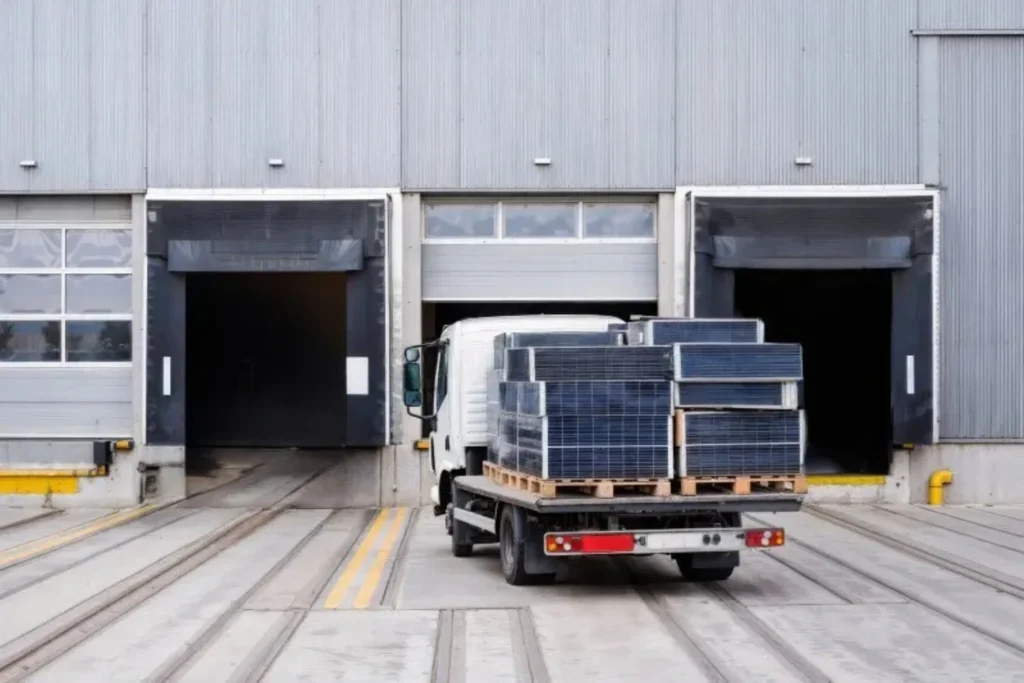
Solar panel recycling involves collecting retired photovoltaic equipment, identifying the panel type and condition, and routing the equipment through appropriate recycling channels. Depending on the panel and processing method, materials such as glass, aluminum, copper wiring, silicon, and other components can be separated during recycling.
R2 recycling offers several ways to manage solar equipment based on project size and location.
Scheduled Pickup
Scheduled pickup is typically the most practical option for commercial quantities, solar farms, system replacements, construction projects, and larger decommissions. R2 recycling can coordinate collection based on panel quantity, site access, equipment condition, and project timing.
Drop Off
Drop off may be an option for smaller quantities when the customer can safely transport the equipment to an appropriate location. Panel type, quantity, and condition should be confirmed before transportation.
E Waste Containers
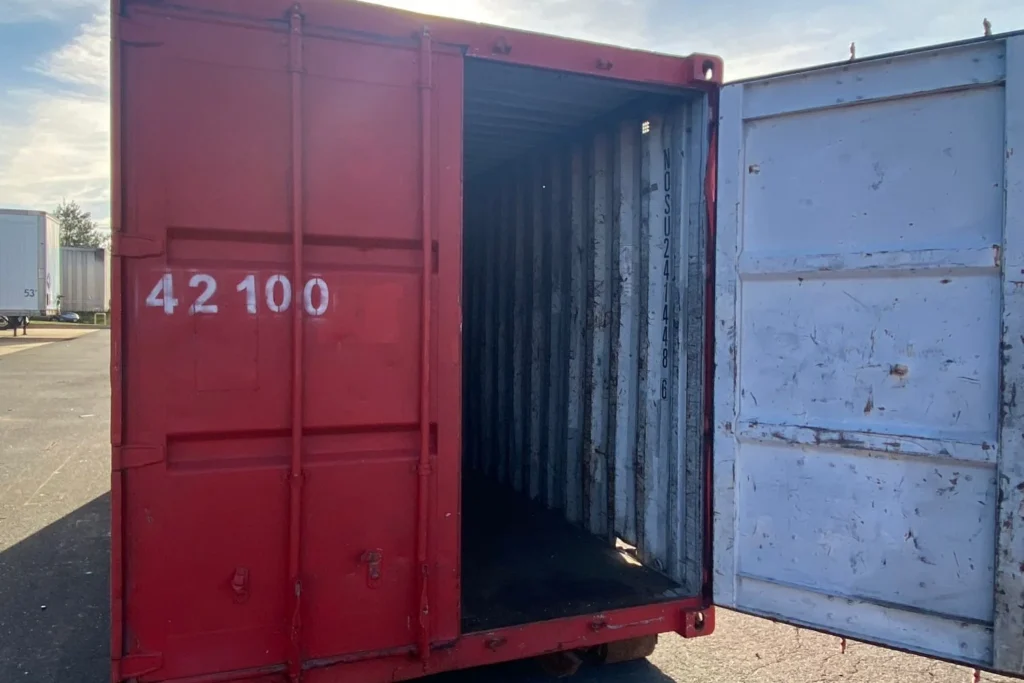
Our e-waste container service may make sense for certain ongoing projects where solar equipment or related electronics are being removed over a period of time. R2 recycling can help determine whether an e waste container is appropriate for the materials involved.
Collection Events
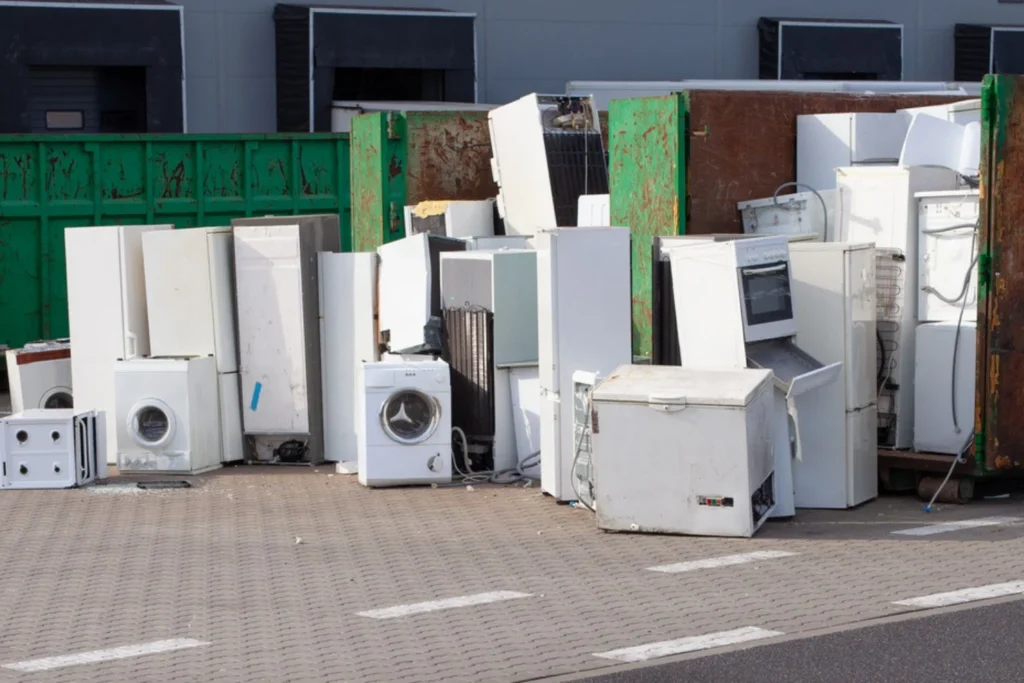
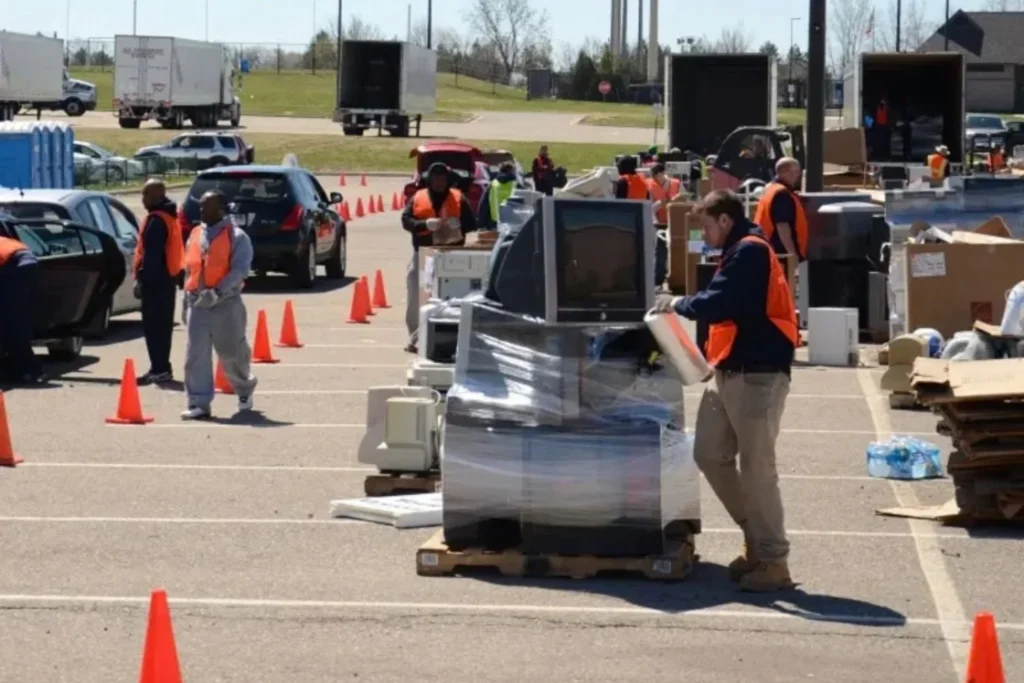
Municipalities, institutions, and organizations coordinating broader electronics recycling programs may also be able to incorporate certain solar equipment into a scheduled e-waste collection event.
Solar Panel Waste is Increasing Worldwide
Solar energy deployment has grown significantly around the world, and the amount of photovoltaic equipment reaching the end of its service life is beginning to grow with it.
600,000 Tonnes in 2022
Worldwide, approximately 600,000 tonnes of retired photovoltaic panels were generated in 2022.
2.4 Million Tonnes Projected by 2030
According to the Global E Waste Monitor 2024 from the United Nations Institute for Training and Research and the International Telecommunication Union, retired photovoltaic panel waste is expected to reach approximately 2.4 million tonnes by 2030.
About 4 Times the 2022 Volume
That projected 2030 volume is roughly four times the amount generated in 2022.
As more commercial solar systems age, undergo upgrades, or are replaced with newer equipment, businesses and solar operators will increasingly need practical ways to collect, transport, and recycle retired panels.
What is a Solar Panel Made Of?
A solar panel is not one single material. It is a layered electrical product made from glass, metals, photovoltaic cells, wiring, polymers, and other components designed to work together for years in outdoor conditions.
Understanding what is inside a panel also helps explain why photovoltaic equipment requires a more specialized recycling process than ordinary scrap.
Glass
Glass makes up a significant portion of many crystalline silicon photovoltaic panels. The front glass layer protects the solar cells from weather, impact, moisture, and other environmental conditions while still allowing sunlight to reach the cells below.
Because glass represents such a large portion of a typical panel by weight, separating it is an important part of many solar panel recycling processes.
Aluminum Frame
Most conventional solar modules use an aluminum frame around the outside of the panel.
The frame adds structural support, protects the panel edges, and gives installers a secure point for mounting the module to racks or other support systems. During recycling, the aluminum frame can often be removed from the rest of the panel early in the process.
Silicon Solar Cells
Many common solar panels contain crystalline silicon cells beneath the protective glass.
These cells are responsible for converting sunlight into electrical energy. Depending on the type of photovoltaic module and the recycling method being used, silicon and associated semiconductor materials may require additional processing after the larger components are separated.
Copper Wiring
Copper is commonly found throughout a solar installation.
Panels may contain copper wiring within their electrical connections, while additional copper can be present in cables, connectors, junction boxes, inverters, and other system components.
Plastics and Polymer Layers
Solar panels also contain polymer materials used to protect the photovoltaic cells and internal electrical components.
Encapsulants, backsheets, insulation, and other protective layers help keep moisture, dirt, and environmental exposure away from the sensitive components inside the module.
These layers are part of what makes solar panels durable, but they can also make material separation more complex.
Junction Boxes and Connectors
The junction box is typically mounted on the rear of a solar panel and serves as the connection point between the module and the rest of the electrical system.
Connectors, wiring, terminals, and related electrical components may all be present when solar panels are removed from service.
What Solar Equipment Can R2 Recycle?
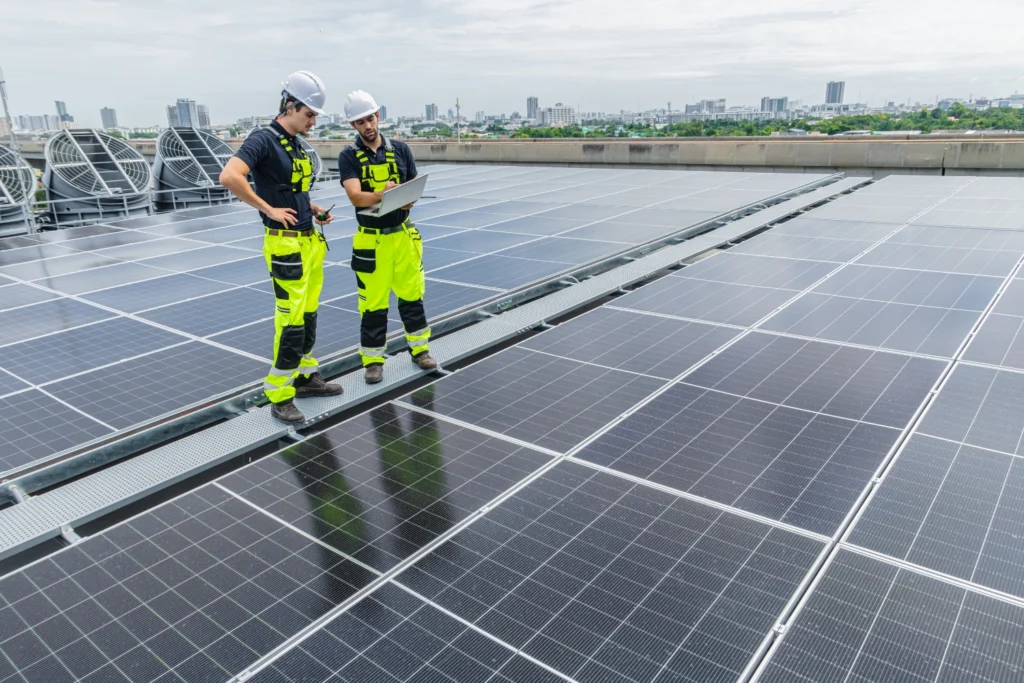
Solar projects often involve much more than the panels themselves. When an installation is upgraded, replaced, or removed, multiple types of electrical equipment and supporting materials may need to be managed at the same time.
R2 recycling can help coordinate recycling for photovoltaic panels and other equipment associated with solar installations.
Photovoltaic Solar Panels
R2 recycling can assist with recycling different types of photovoltaic modules, including:
- Monocrystalline solar panels
- Polycrystalline solar panels
- Thin film solar panels
- Bifacial solar panels
Panel technology should be identified whenever possible because construction and material composition can vary between module types.
Solar Inverters
Solar inverters convert the direct current electricity produced by photovoltaic panels into alternating current electricity that can be used by a building or supplied to the electrical grid.
When solar systems are upgraded or decommissioned, inverters may be removed along with the panels and routed through the appropriate electronics recycling process.
Solar Converters and Electrical Equipment
Depending on the system design, solar installations may contain additional converters, transformers, controllers, monitoring equipment, disconnects, and other electrical components.
These items should be identified as part of the overall project so they can be separated and handled appropriately.
Wiring and Cabling
Commercial solar systems can contain substantial amounts of electrical wiring and cabling connecting panels, inverters, monitoring systems, battery storage, and other equipment.
Wiring should be identified along with the rest of the material being removed so it can be incorporated into the recycling plan.
Junction Boxes
Junction boxes and associated electrical components may remain attached to panels or may be removed separately during a project.
R2 recycling can help account for these components when evaluating the overall equipment being collected.
Battery Storage Systems
Many solar installations now include battery storage systems used to store electricity for later use.
Batteries require different handling than photovoltaic panels, and the appropriate process depends on the battery chemistry, condition, quantity, and system design. R2 recycling can help coordinate battery recycling alongside a larger solar equipment project when applicable.
Racking and Mounting Components
Solar installations can also include aluminum or steel rails, brackets, mounts, fasteners, frames, and other structural components.
When an entire system is being removed, these materials may become part of the overall project and should be identified before collection begins.
How Solar Panel Recycling Works
Commercial solar panel recycling works best when the collection process is planned before equipment begins accumulating onsite.
R2 recycling can help businesses and project managers identify the right collection approach based on the quantity, type, location, and condition of the equipment.
Step 1: Tell Us What You Have
- Start by providing as much information about the project as possible.
- Useful details include:
- Approximate number of solar panels
- Panel type or manufacturer if known
- Equipment condition
- Project location
- Other solar equipment being removed
- Desired project timeline
- Whether the panels have already been removed
For large projects, an estimate is often enough to begin discussing the appropriate service option.
Step 2: Choose a Collection Method
Once the project details are understood, R2 recycling can help determine the most practical collection method.
Depending on the project, that could include scheduled pickup, drop off, container service, or another coordinated collection arrangement.
Step 3: Prepare the Equipment
Panels and related solar equipment should be organized before transportation.
Keeping equipment stable, separating unusual or damaged material, and identifying different equipment types ahead of time can make collection more efficient.
Step 4: Collection and Transportation
R2 recycling coordinates collection based on the agreed service plan.
For larger commercial projects, transportation planning may take into account loading capabilities, site access, equipment quantity, construction schedules, and the number of loads required.
Step 5: Sorting and Processing
After collection, solar equipment is sorted based on equipment type, material composition, panel technology, and condition.
Panels and related components can then move through appropriate recycling channels where major material fractions can be separated for further processing.
Step 6: Project Documentation
Commercial organizations often need records showing what equipment was removed and when the recycling service took place.
Relevant service and recycling documentation can help support internal recordkeeping, vendor management, project closeout, and sustainability reporting.